The printers, filament and bought parts that the designs in this library call for. We chose them from what the designers' own notes ask for. There are no prices here because they change too often. Always check the designer's notes before you buy.
Printers
Most designs here are split into parts that fit an ordinary printer. Of the 209 designs with a detail page, 15 state the printer size they need. 12 of those fit a 256 mm printer (the Nukulele's one-piece files need 267 mm of height, but split files are included), and only 3 need a large-format printer. The rest don't say. You don't need an expensive machine to start.
Standard printers (fit almost everything)
The Prusa beds are 250 × 210 mm or larger and the Bambu Lab beds are 256 × 256 mm. That is enough for every design here that states a bed size and doesn't need a large printer. Choose an open printer for PLA and PETG, or an enclosed one for ABS, ASA, nylon and carbon-fibre blends.
Bambu LabBeginner
Bambu Lab A1
A beginner-friendly open-frame printer with a bed big enough for nearly everything in the library, including the Prusacaster body sections and the PrintBone bell. Add the AMS lite if you want multi-colour parts.
A reliable open-frame printer from the company behind the Prusacaster and Prusa Mouth Organ in this library. Several designs here were sized for a Prusa bed, including the Prusacaster (25 × 21 cm).
Prusa's enclosed printer with a heated chamber, for engineering filaments and quieter, cleaner printing. A little taller than the MK4S, which helps with tall flute and bell sections.
For the few designs that print big parts in one piece, such as a lyre body and the one-piece snare shell. One design, the Fully Playable Violin V1, asks for 350 × 350 × 400 mm, which is taller than every printer below, so check its notes before you buy anything for it.
A lower-cost large-format printer for the few designs that need more than a 256 mm bed, such as the Neapolitan mandolin bowl and the one-piece lyre body.
Resin (MSLA) printers make very fine detail for small parts like mouthpieces, nuts and whistle heads, but have small build areas. Resin needs gloves, ventilation and washing and curing after printing. Most resins are not rated for mouth contact. Read the resin's safety data sheet before you print anything you'll play with your lips.
Materials come from each design's own build notes. Lists only include designs whose notes name the material.
PLA
The default for almost everything here: bodies, bells, flutes, ocarinas, stands and cases. It is stiff, which helps instruments resonate, and easy to print. It softens at about 55–60 °C, so don't leave a PLA instrument in a hot car.
Tougher and more heat-tolerant than PLA, and a little flexible. Good for stands, clamps, reed cases and parts that get knocked about. A few designers say PETG instruments sound brighter; others found it too flexible for clips.
Rubbery filament for pads, seals, chin rests, capo pads, reed-case inserts and the odd whole instrument (the Fart Accordion). Print it slowly; Bowden-tube printers can struggle with it.
PLA with wood fibre, for a wooden look and feel on flutes, lyres and the alphorn. It is weaker and more abrasive than plain PLA, so avoid it for parts under string tension, and consider a hardened or larger nozzle.
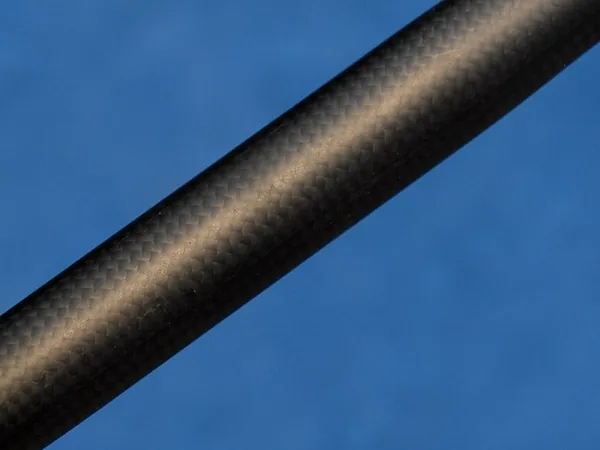
PLA, PETG or nylon filled with chopped carbon fibre: stiffer and less prone to creep, which some guitar, violin and drum designers recommend for parts under load. It is abrasive and needs a hardened-steel nozzle. Not every designer found it better: the steel-string mandolin's designer found plain PLA just as good.
Engineering filaments for heat resistance and toughness: an ABS saxophone stand, ABS trumpet mutes, nylon guitar nuts. They print best in an enclosed printer, and ABS and ASA give off fumes, so ventilate. We don't list a specific product; most filament makers sell them.
For a resin printer, a tough engineering resin holds up better than standard resin for parts that flex or get handled, such as nuts and mouthpiece blanks. Check the maker's biocompatibility rating for anything that touches skin or lips.
Siraya Tech
Blu Tough Resin
A tough, engineering-style resin for functional resin parts such as nuts and mouthpiece blanks. Siraya rates it for external skin contact only, so treat anything that goes in your mouth with caution.
View product ↗Amazon.ca in Canada; Siraya Tech's shop elsewhere
Parts and tools you can't print
Grouped by instrument family. Each design's page has its own exact list under "What you'll need". Shop links open the store for your country where we have one (Canada, the UK, the US and much of Europe). Sizes vary, so check the design's notes before you buy.
Strings, tuners and fittings
Strings, tuners and fittings are almost always bought. Check the scale length, string type (loop end, ball end, nylon or steel) and the tuner hole size the designer gives before you order.
A large music retailer for strings, violin fittings, tuners and pickups: Long & McQuade in Canada, Gear4music in the UK, Sweetwater in the US and Thomann elsewhere.
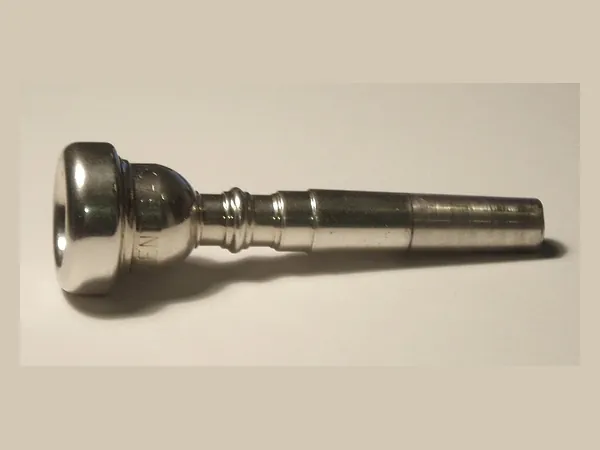
7C is the usual starting trumpet size (Libretto on Amazon.ca, Bach elsewhere). Some printed brass designs accept a standard trumpet or trombone mouthpiece; check the design and shank size first.
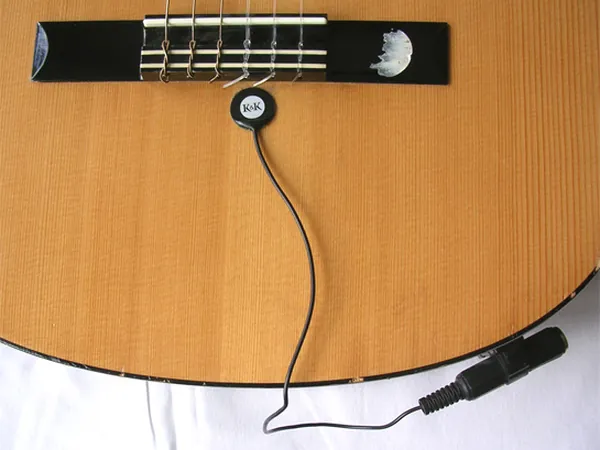
A bridge-mounted pickup from a long-established pickup maker, for electric and printed violins. For ukuleles or other designs, match the pickup type the designer names.
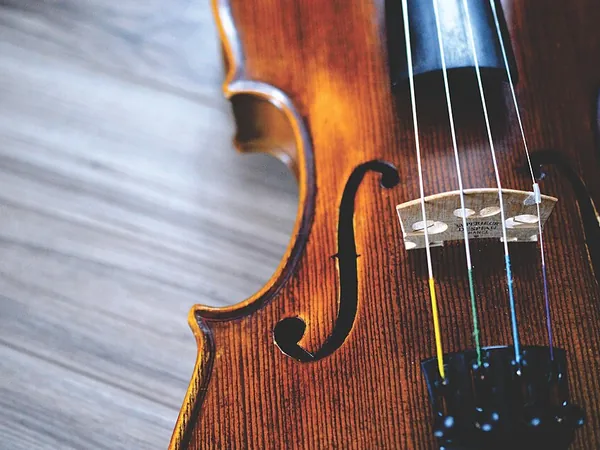
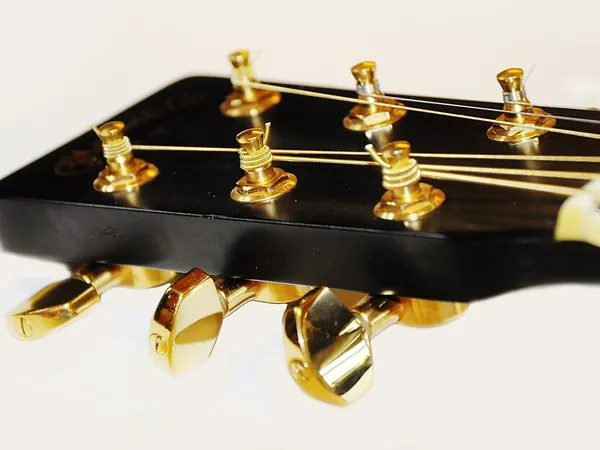
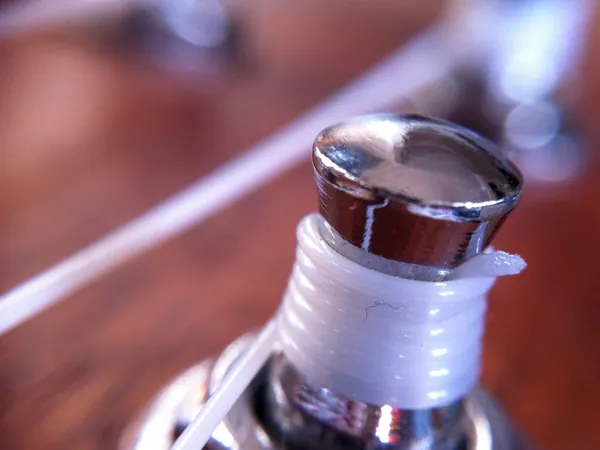
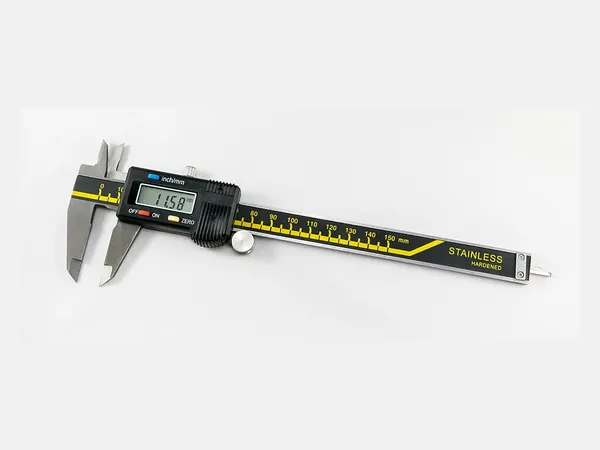
Pictures: product photos are from Wikimedia Commons under the Creative Commons licences shown on each card (cropped and resized). They show the type of product, not always the exact product linked.
Suggestions, corrections or a better local source? Email [email protected]. The product list is kit.json.