
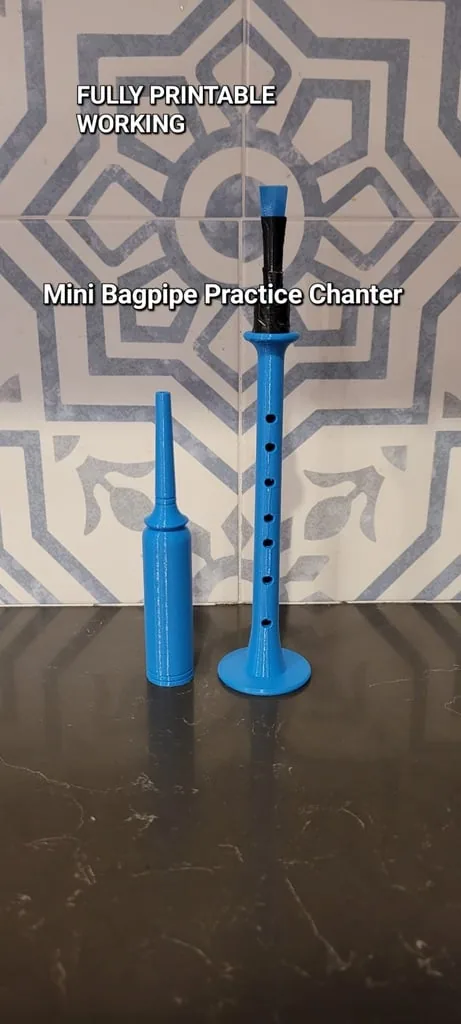
About the Bagpipe practice chanter
Pipers learn on a practice chanter: just the fingering pipe of a bagpipe, blown directly, with no bag or drones. This printed one combines parts from existing open designs. The body is a mini high-G chanter by another designer, topped with a resized practice-chanter top, and a printable reed from a third design makes the whole thing work with no bought parts.
The reed is the clever part. Two small pieces, the reed seal and the reed sleeve, are printed in flexible TPU, and they must be scaled up (107% for the sleeve and 115% for the seal). Everything else is PLA at its normal size. Once assembled, gently bend and crease the reed to open it up a little, and sand the tips of the reed lips if it's hard to blow. A wrap of duct tape round the seal and the top of the chanter helps make it airtight.
The designer notes that the video shows a first prototype and the sound was expected to improve with a reprinted reed.
Who it's for. Learner pipers who want a cheap practice chanter, and makers curious about printable reeds.
What you'll need
Printed parts
- Chanter body and top (PLA)
- Reed tube (PLA)
- Reed seal (TPU, at 115%) and reed sleeve (TPU, at 107%)
Bought parts
- Duct tape for sealing
Tools
- Sandpaper
Build overview
Print settings
- Material: PLA, except reed seal and sleeve in TPU
- Layer height: 0.2 mm chanter, 0.3 mm reed
- Infill: 15%
- Perimeters: 2
- Supports: Maybe for the reed tube
- Scaling: Reed sleeve 107%, reed seal 115%; everything else 100%
Video
 Play video: Playing the first prototype (loads YouTube)
Nothing loads from YouTube until you press play. Video thumbnails are © their creators.
Photos
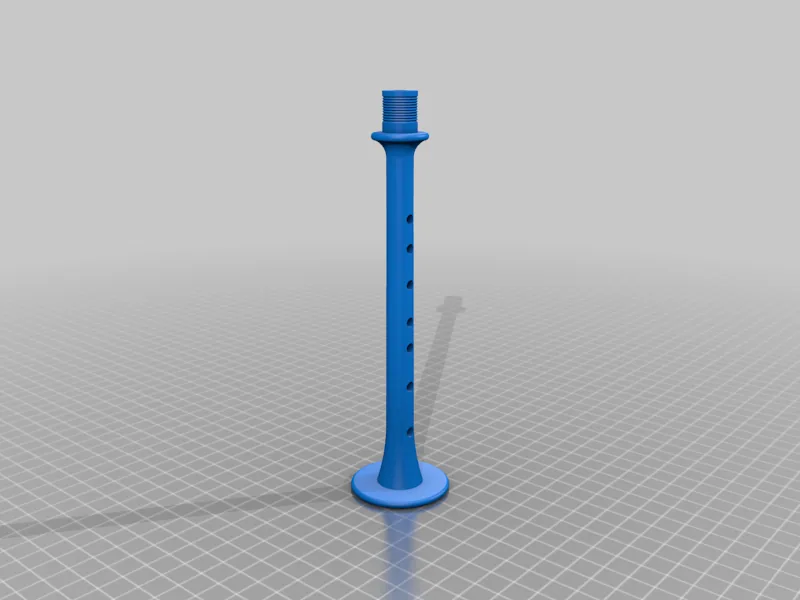
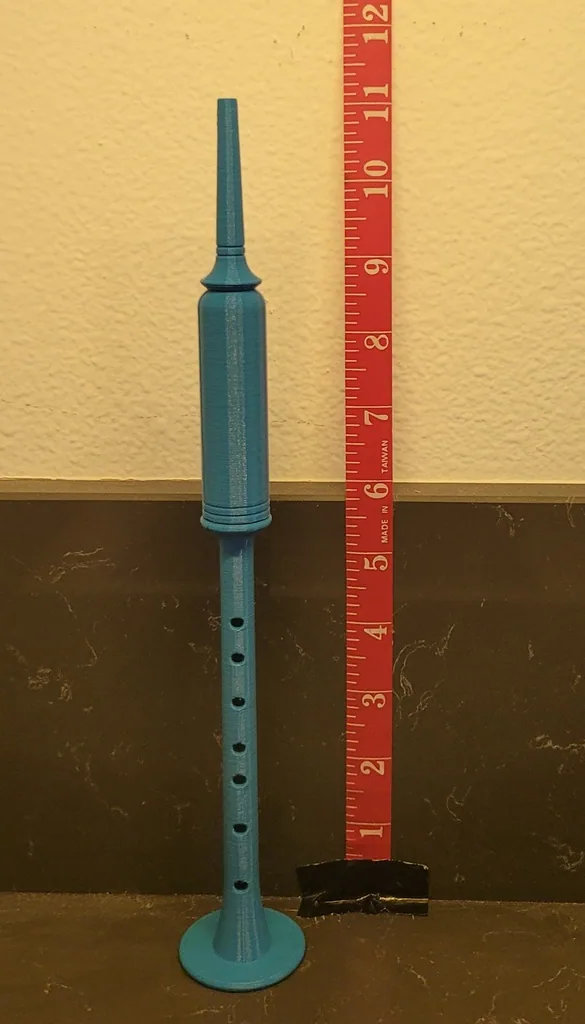
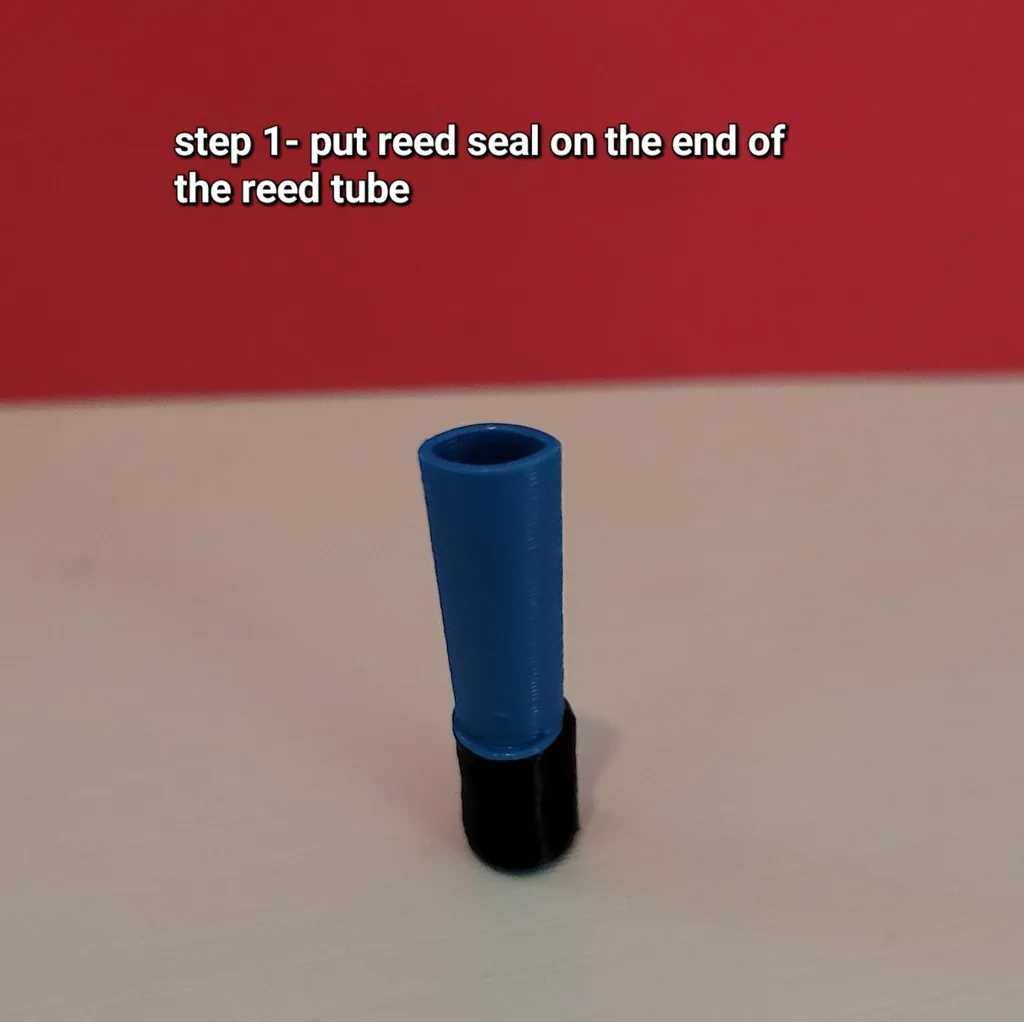
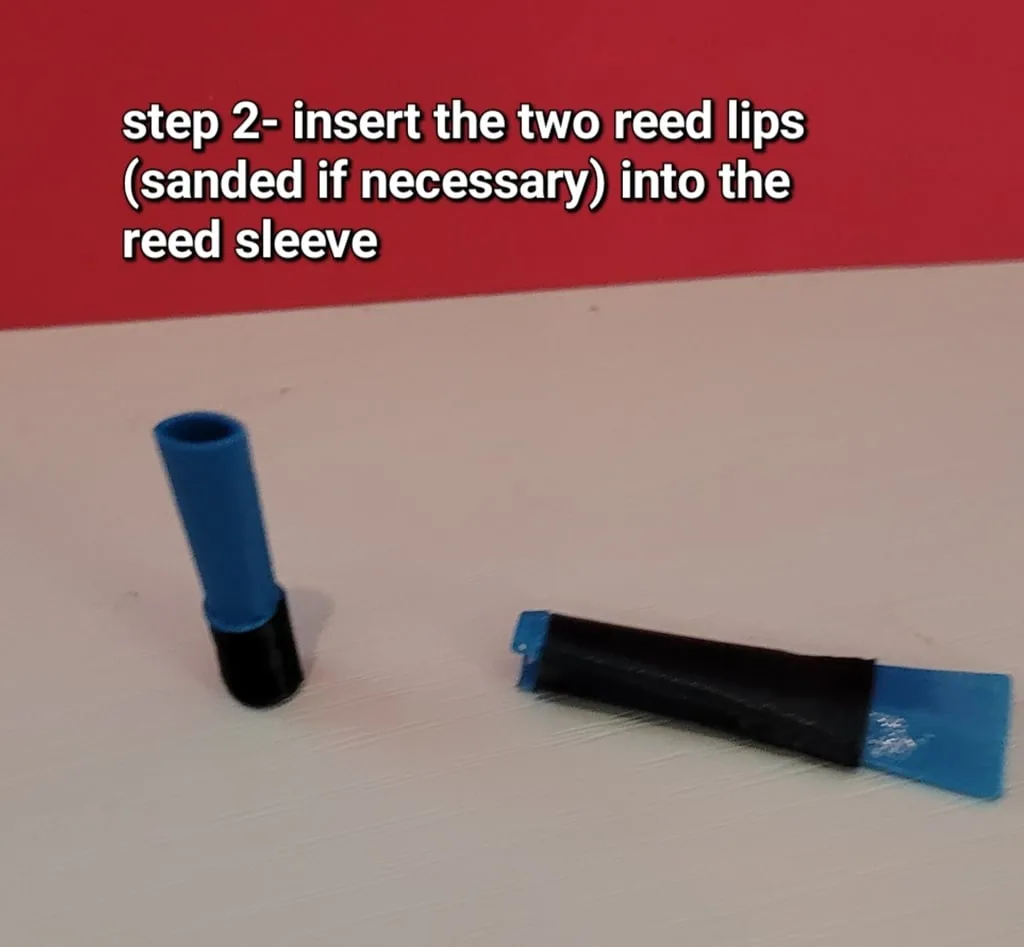
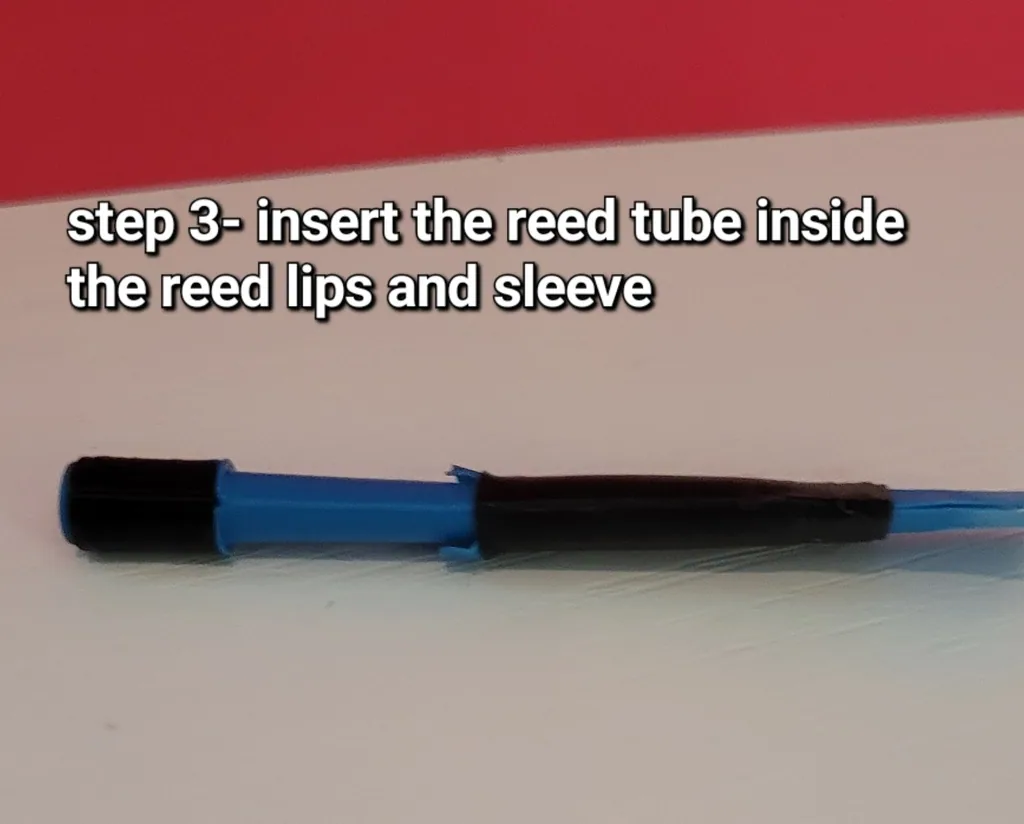
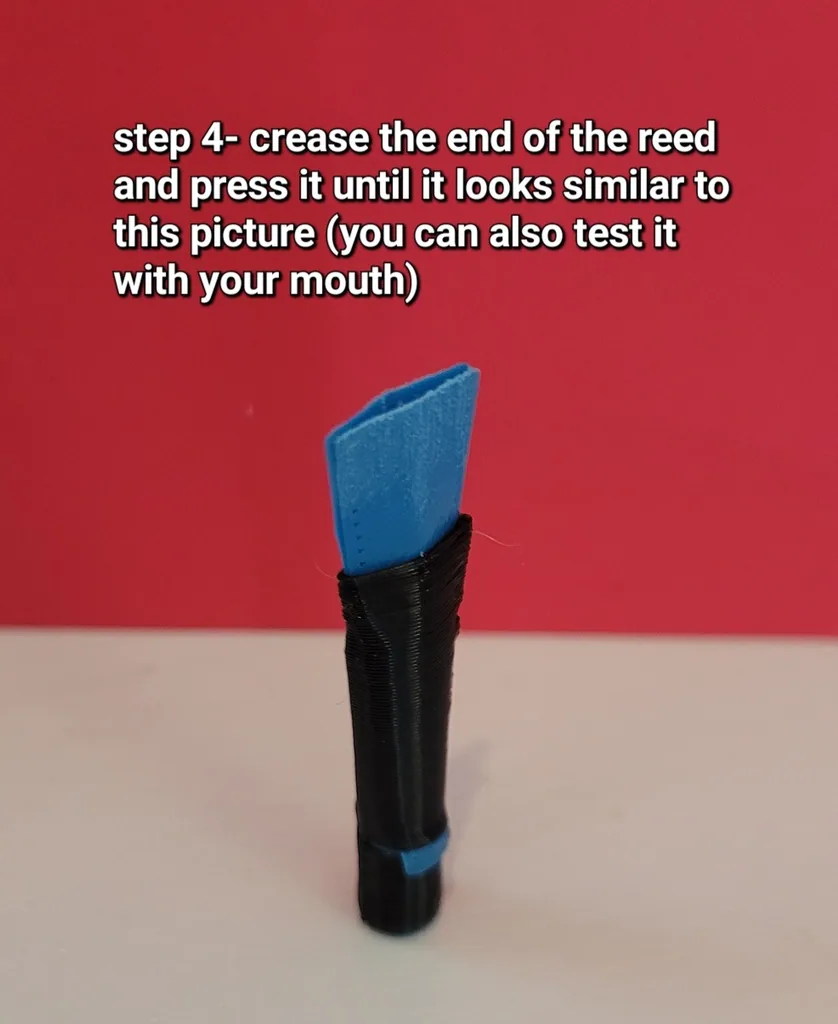
All photos: JaredKami1, from the design page on Printables, licensed CC BY-SA. We resized them and converted them to WebP. These adapted versions are shared under the same licence.
7 more photos on Printables ↗