
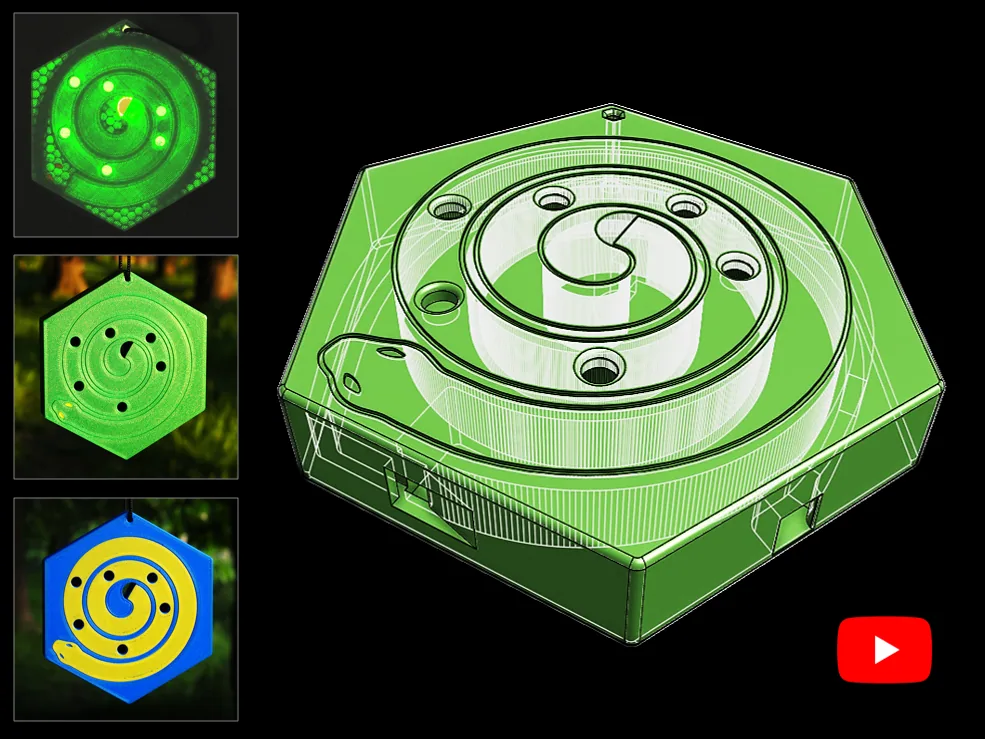
About the Hexagonal snake flute
A recorder's pitch depends on the length of its air column, so a low recorder is long. This one is the equivalent of a 40 cm recorder in G4, coiled into a hexagonal snail or snake shape that fits in a pocket. The designers' educational write-up explains the physics. Scaling the model changes the key while keeping the tuning between holes. There's a 3-hole version for beginners and children.
Print with the finger holes facing the bed, using extra walls and extra top and bottom layers so it's airtight. PLA shrinks least. Pause the print at 14.8 mm, before the chamber closes, to clear any strings inside. Afterwards, clean the splitting edge with a scalpel and, if needed, cut a tiny facet as marked on the page. If it already sounds stable, leave it. Warm it with your breath first, uncover the holes from tail to head, and blow harder for the upper octave. Temperature, humidity and pressure all shift the pitch slightly. The designers' video plays the Braveheart theme.
What you'll need
Printed parts
- Snake flute (6-hole or 3-hole)
Bought parts
- Nothing
Tools
- A scalpel or craft knife
- A slicer that can pause mid-print
Build overview
Print settings
- Material: PLA (or transparent PETG)
- Orientation: Finger holes facing the bed
- Walls/top/bottom: Extra, for airtightness
- Pause: At Z = 14.8 mm to clear strings
Video
 Play video: The Braveheart theme on the snake flute (loads YouTube)
Nothing loads from YouTube until you press play. Video thumbnails are © their creators.
Photos
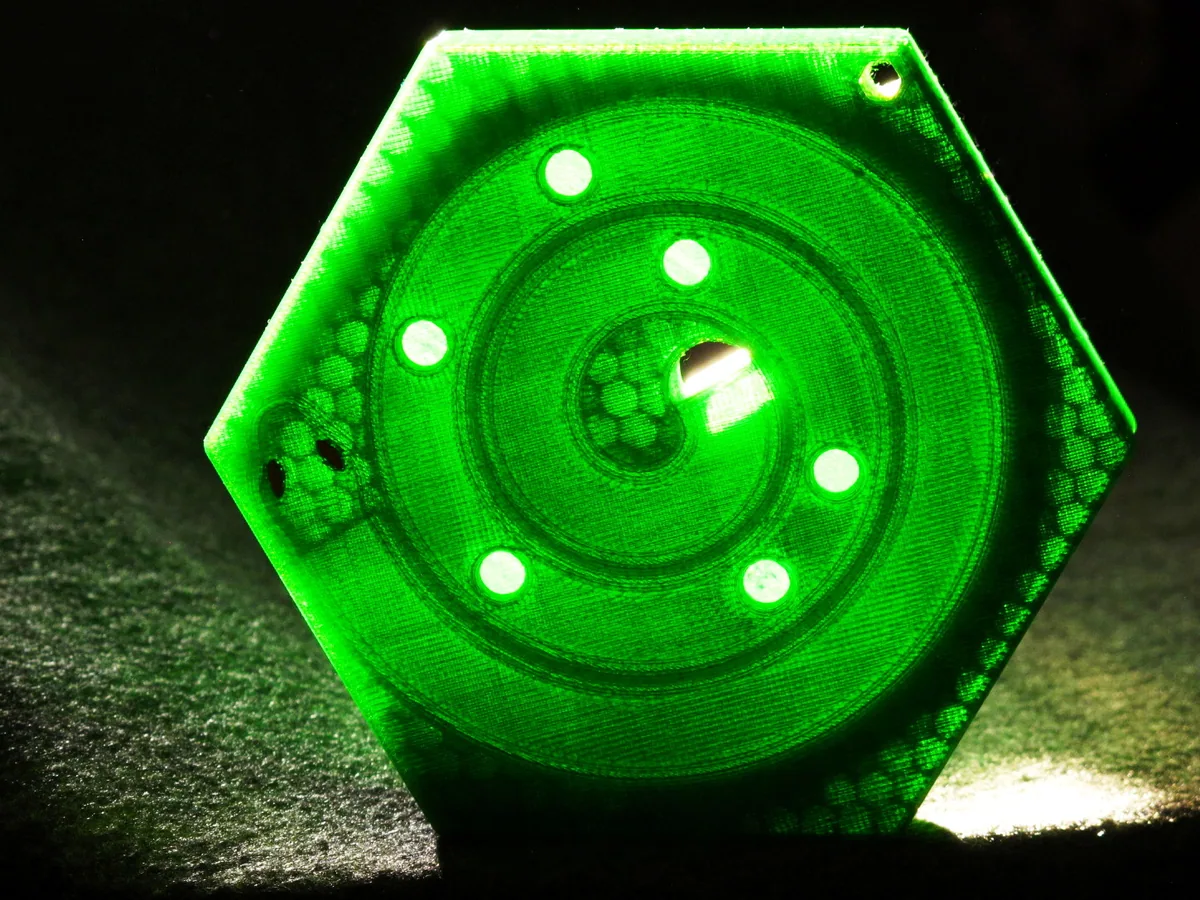
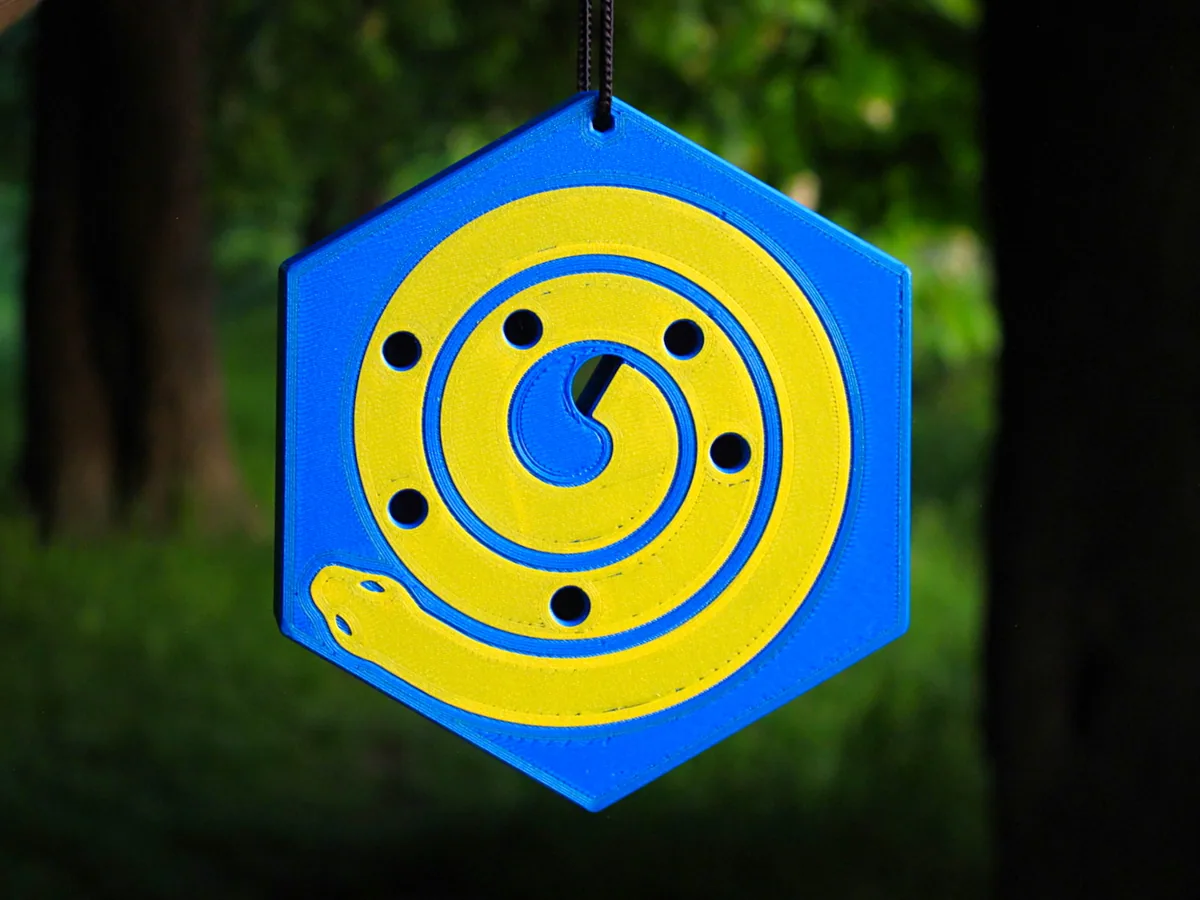
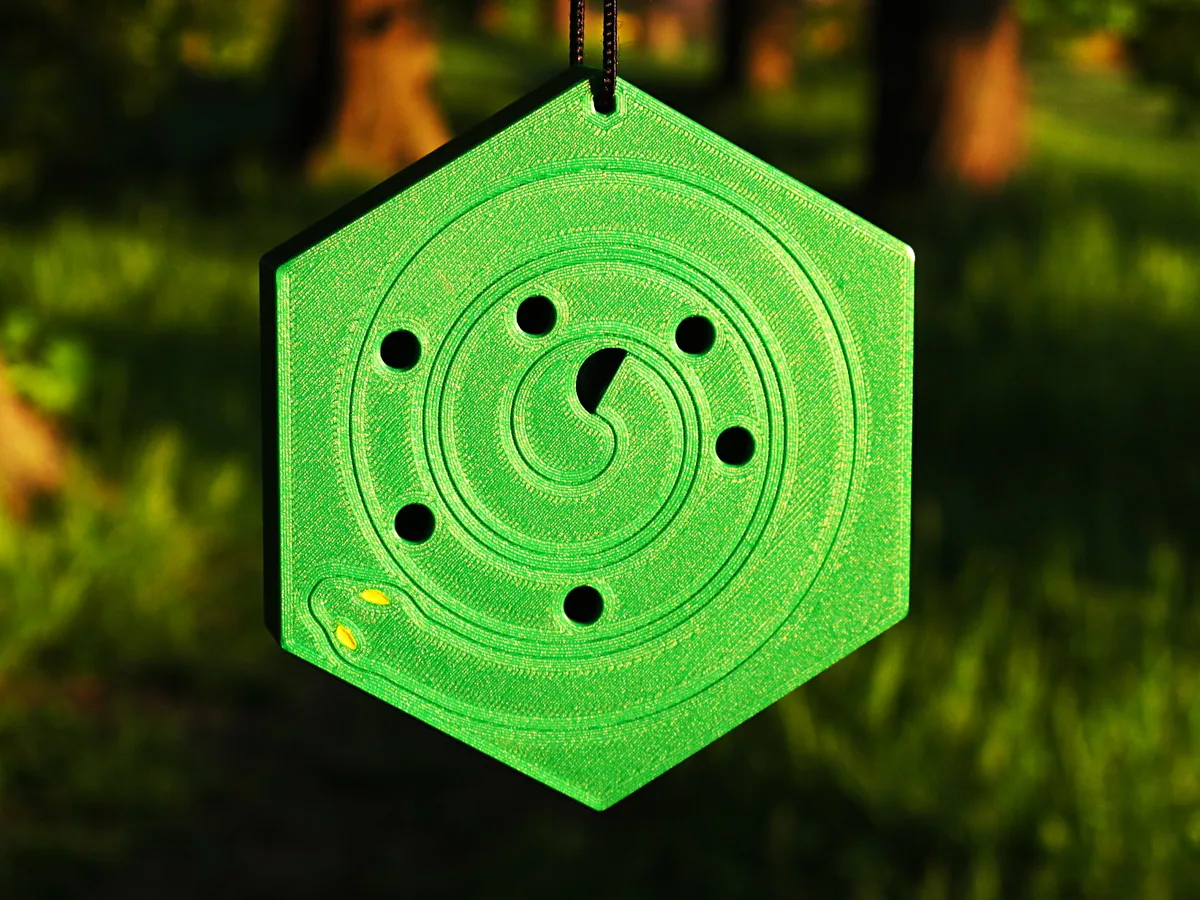
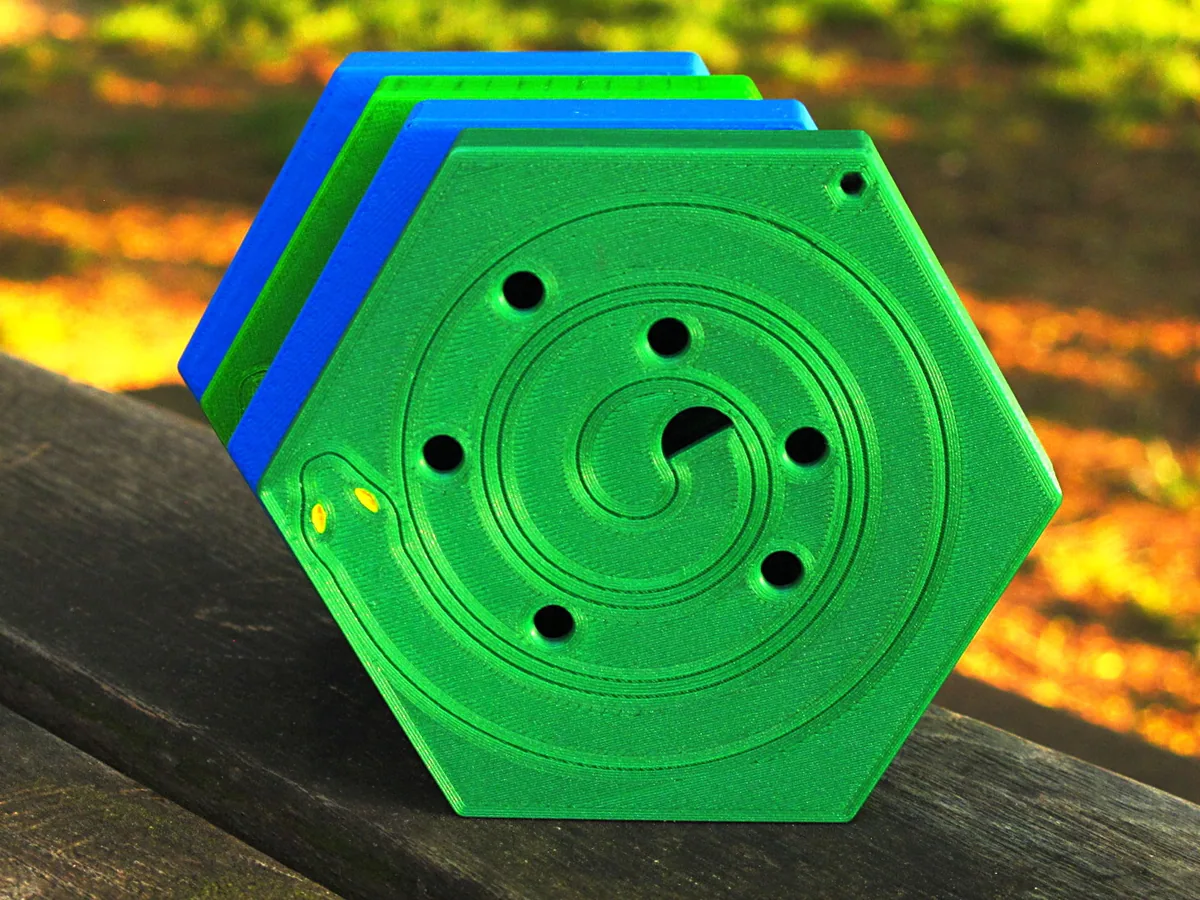
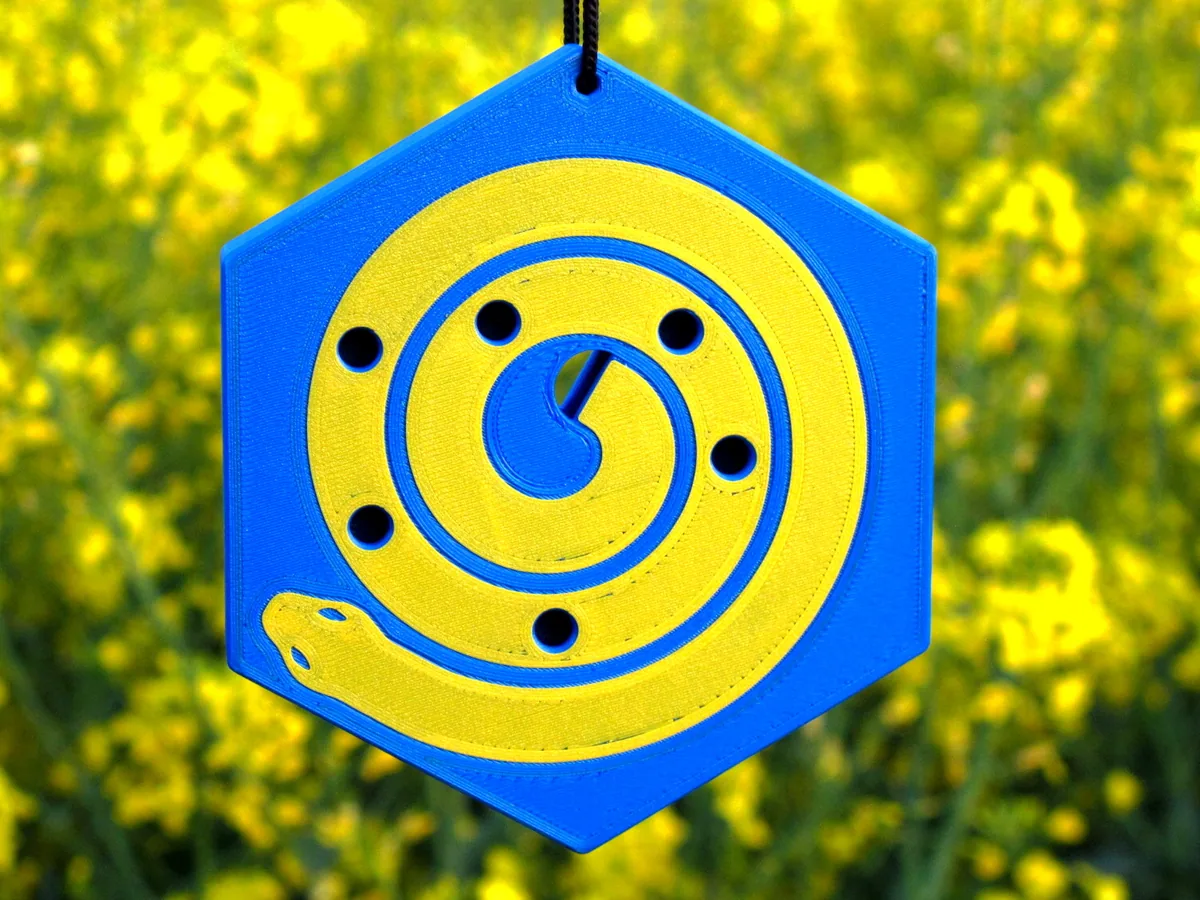
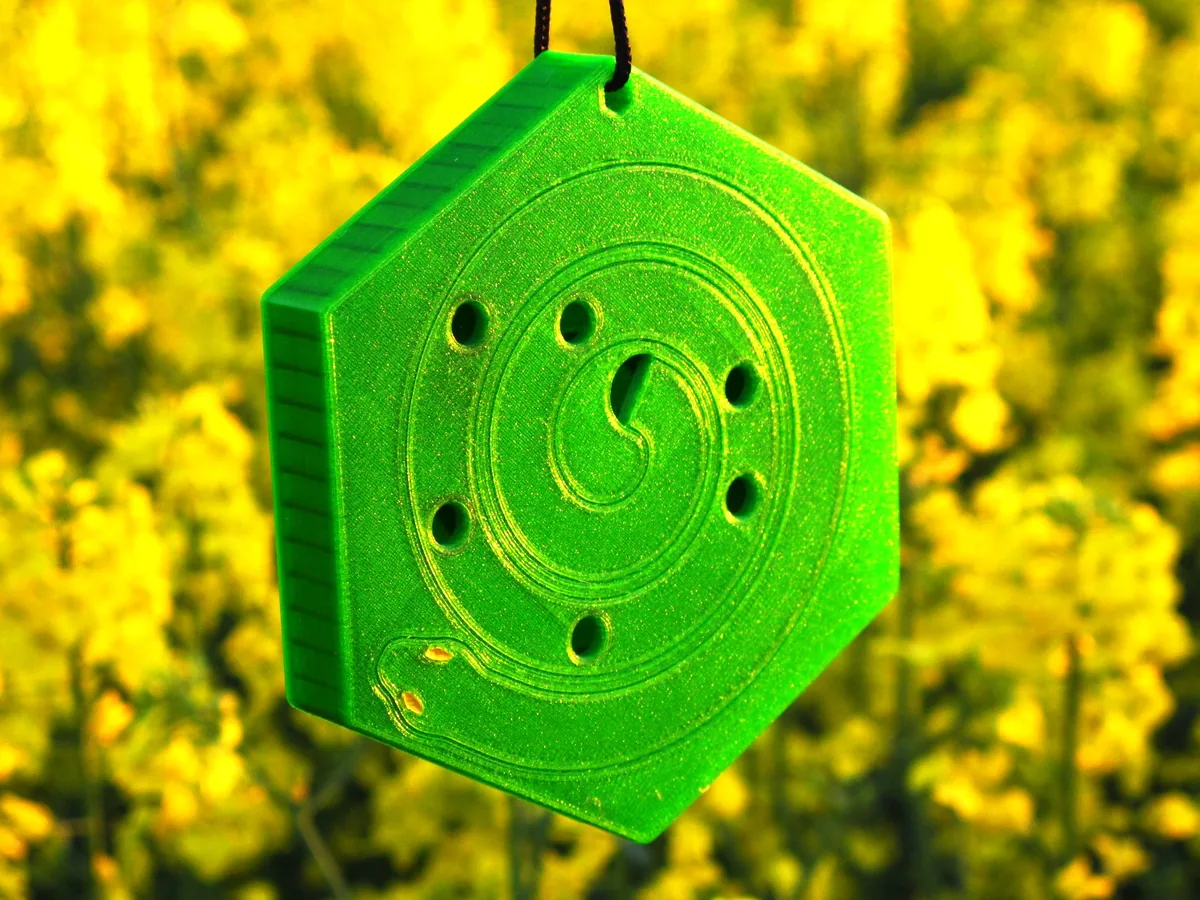
All photos: Maclab.sk, from the design page on Printables, licensed CC BY-NC-SA. We resized them and converted them to WebP. These adapted versions are shared under the same licence.
3 more photos on Printables ↗